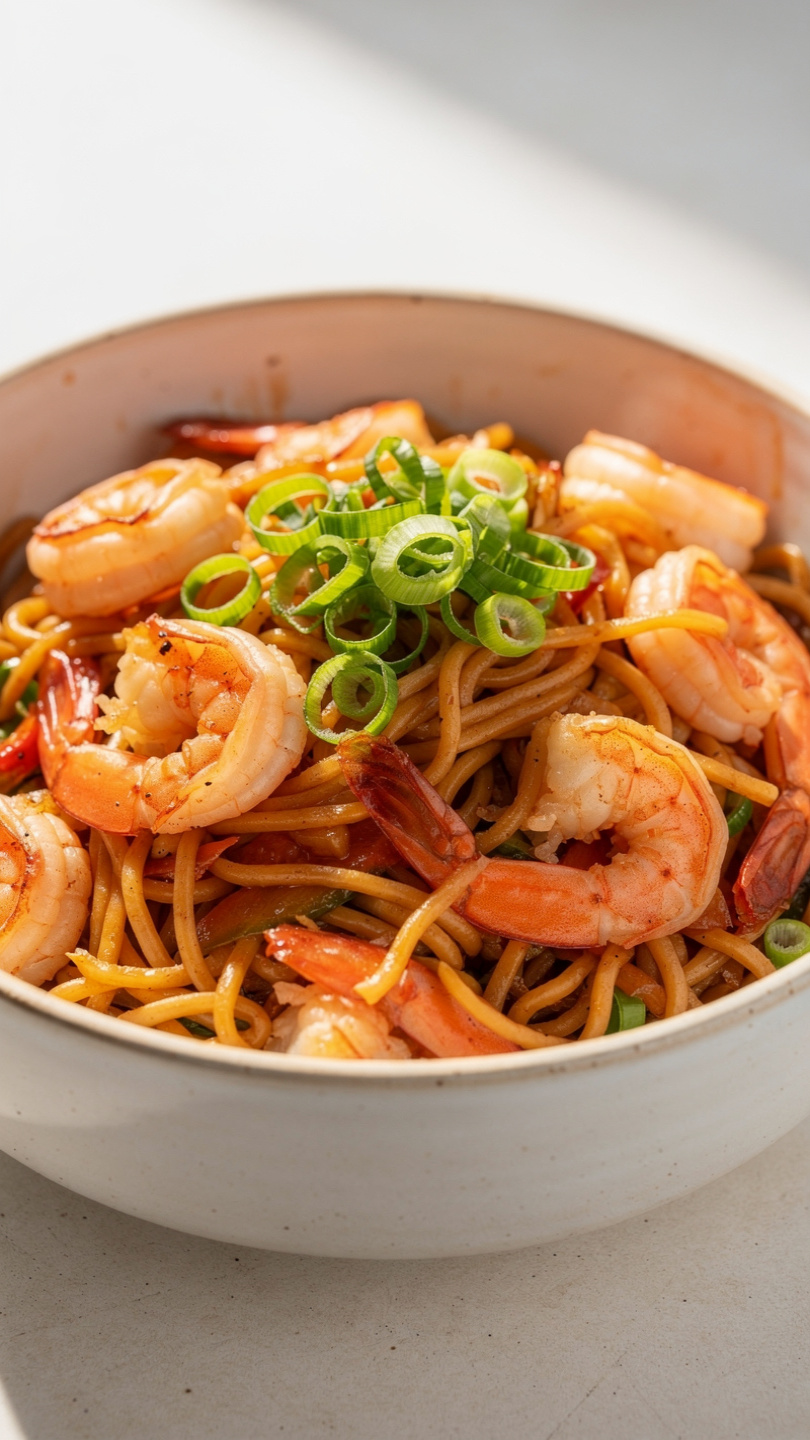
Shrimp Stir Fry with Rice Noodles (Easy Gluten-Free Recipe)
This shrimp stir fry with rice noodles comes together in under 30 minutes with tender shrimp, crisp vegetables, and silky gluten-free rice noodles tossed in a savory, glossy sauce.

The Weeknight Noodle Stir Fry You Will Actually Make on Repeat
Some dinners feel like a project. This is not one of them. This shrimp stir fry with rice noodles is the kind of meal that looks and tastes like you ordered takeout, except you made it at home in about 25 minutes, with ingredients you can find at any grocery store. Silky, chewy rice noodles. Plump, perfectly cooked shrimp. Crisp colorful vegetables. All of it tossed in a glossy, savory-sweet sauce that clings to every strand.
If you have been searching for easy rice noodle stir fry recipes that are genuinely simple and not just labeled that way, you found it.
Why Rice Noodles Are the Star of This Dish
Rice noodles are one of those pantry staples that do not get nearly enough credit. They are naturally gluten-free, they cook incredibly fast (just a soak in warm water), and they have this wonderfully tender, slippery texture that soaks up sauce better than almost any wheat-based noodle.
For this stir fry with rice noodles, flat medium-width rice noodles work best. They hold up to tossing in a hot wok without falling apart, and their wider surface area means every bite gets coated in that savory sauce. Look for them in the international aisle, labeled as rice stick noodles or banh pho.
If you are specifically looking for gluten-free rice noodle recipes or GF rice noodle recipes that do not compromise on flavor, this one checks every box.
Chef's Tip: Do not fully cook your noodles before adding them to the wok. Soak them until pliable but still slightly firm, then let the wok finish the job. This prevents mushy noodles and helps them absorb the sauce instead of sitting in it.
The Sauce: Simple, Bold, and Perfectly Balanced
A great Asian rice noodle stir fry lives or dies by its sauce. This one is a short list of pantry staples that come together into something that tastes genuinely complex.
Here is what goes in it:
- Tamari (or gluten-free soy sauce) for that deep, umami backbone
- Oyster sauce for richness and a subtle sweetness
- Rice vinegar to brighten everything up
- Honey to balance the salt
- A cornstarch slurry to make the sauce glossy and clingy
- Toasted sesame oil added at the very end, off the heat, for that unmistakable nutty aroma
Mix the sauce in a small bowl before you even turn on the stove. Stir fry waits for no one, and having your sauce ready means you will not be scrambling mid-cook.
Tools and Ingredients That Actually Make a Difference
For a stir fry rice noodles recipe to come out right, the pan matters as much as the technique. A well-seasoned carbon steel wok or a wide, heavy skillet gets hot enough to give you that elusive wok hei, the slightly smoky, caramelized quality that separates a great stir fry from a soggy one. Good tamari and toasted sesame oil also make a noticeable difference compared to budget alternatives.
How to Cook Shrimp Perfectly in a Stir Fry
Overcooked shrimp is one of the most common stir fry mistakes, and it is also one of the easiest to avoid. The rules are simple:
- Dry the shrimp thoroughly. Moisture is the enemy of a good sear. Pat them with paper towels before they go into the wok.
- Use high heat. The wok should be very hot before the shrimp hit the pan.
- Give them space. Cook in a single layer, not a pile.
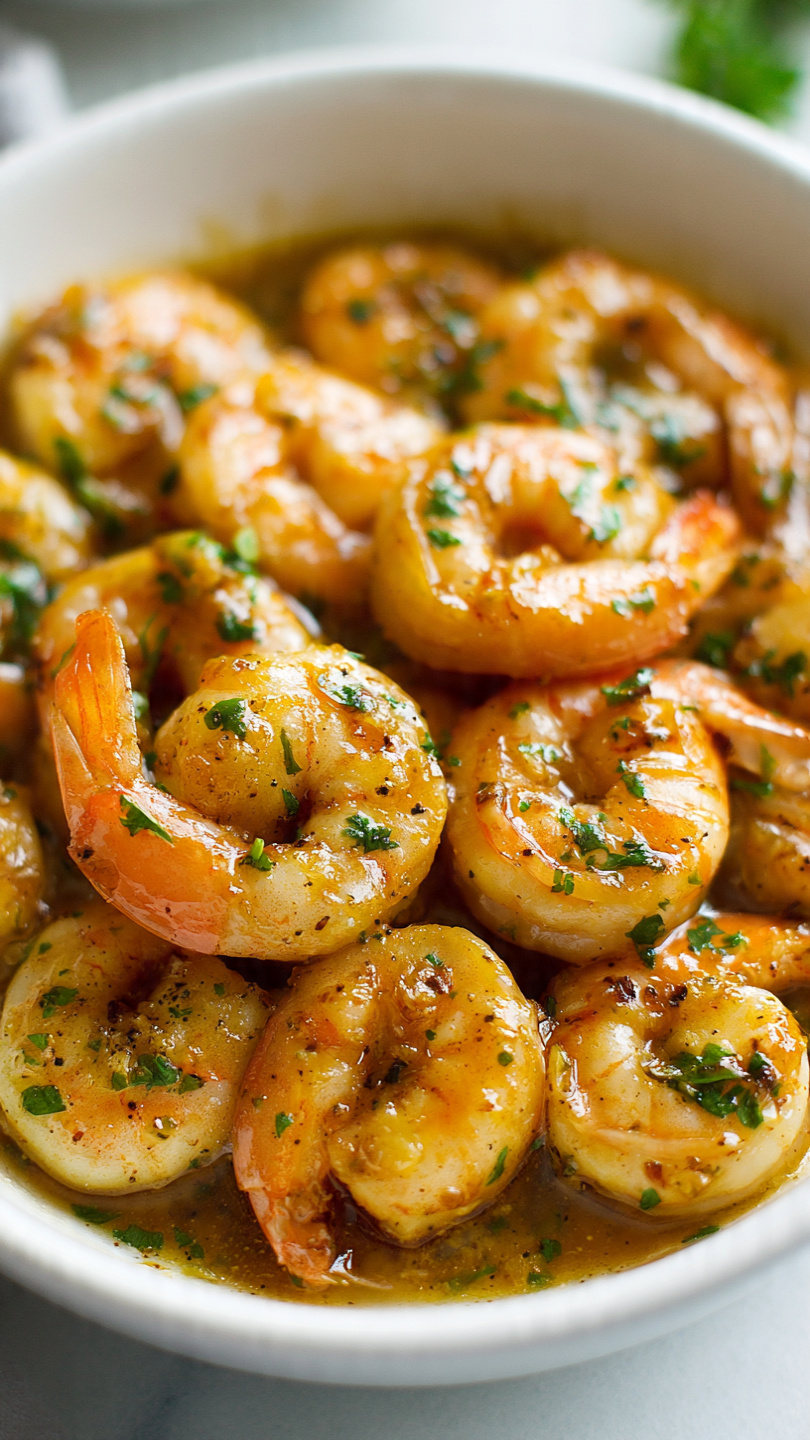
- Pull them early. The moment they turn pink and curl into a loose C-shape, they are done. They go back in at the very end just to warm through.
This technique works for any gluten-free noodle stir fry with shrimp, whether you are following this exact recipe or riffing on it.
Chef's Tip: A tight curl (like a complete O-shape) means the shrimp is overcooked. Always pull at the C-shape.
Vegetable Flexibility: Make It Your Own
One of the best things about this stir fry rice noodles recipe is how adaptable the vegetable situation is. The base recipe uses broccoli, red bell pepper, snap peas, and carrots for a balance of color, crunch, and flavor. But this is your kitchen.
Great swaps and additions:
- Bok choy or napa cabbage for a more traditional feel
- Shiitake or cremini mushrooms for extra umami depth
- Baby corn or water chestnuts for texture
- Zucchini or yellow squash if that is what you have on hand
- A handful of bean sprouts stirred in right at the end
The only rule is to add harder, denser vegetables first and more delicate ones last so nothing ends up either raw or overcooked.
Ready to Get Cooking?
This easy gluten-free noodle stir fry comes together in one pan and delivers restaurant-quality results with minimal cleanup. Grab your wok and let's make dinner.
Here is everything you need to make it:
Shrimp Stir Fry with Rice Noodles (Easy Gluten-Free Recipe)
This shrimp stir fry with rice noodles comes together in under 30 minutes with tender shrimp, crisp vegetables, and silky gluten-free rice noodles tossed in a savory, glossy sauce.
Ingredients
- 8 oz flat rice noodles, medium-width, dried
- 1 lb large shrimp, peeled, deveined, tails removed
- 2 tbsp vegetable oil, divided
- 4 garlic cloves, minced
- 1 tbsp fresh ginger, peeled and grated
- 1 red bell pepper, thinly sliced
- 2 cups broccoli florets, cut into bite-sized pieces
- 1 cup snap peas, strings removed
- 2 carrots, julienned or thinly sliced
- 3 tbsp gluten-free soy sauce or tamari, use tamari to keep it fully gluten-free
- 2 tbsp oyster sauce, or gluten-free oyster sauce
- 1 tbsp sesame oil, toasted, for finishing
- 1 tbsp rice vinegar
- 1 tbsp honey, or brown sugar
- 1 tsp cornstarch, mixed with 2 tbsp cold water to make a slurry
- 1/2 tsp red pepper flakes, optional, for heat
- 3 green onions, thinly sliced, for garnish
- 1 tbsp sesame seeds, toasted, for garnish
Instruction
Soak the dried rice noodles in a large bowl of warm water for 10 to 12 minutes until pliable but not fully soft. Drain and set aside. They will finish cooking in the wok.
In a small bowl, whisk together the tamari, oyster sauce, rice vinegar, honey, and red pepper flakes. Stir in the cornstarch slurry and set the sauce aside.
Pat the shrimp completely dry with paper towels. Season lightly with a pinch of salt and white pepper.
Heat 1 tablespoon of vegetable oil in a large wok or skillet over high heat until shimmering. Add the shrimp in a single layer and cook for 1 to 2 minutes per side just until pink and opaque. Do not overcook. Transfer shrimp to a plate and set aside.
Add the remaining 1 tablespoon of oil to the same wok over high heat. Add the garlic and ginger and stir-fry for 30 seconds until fragrant.
Add the broccoli and carrots first and stir-fry for 2 minutes. Then add the bell pepper and snap peas and cook for another 1 to 2 minutes. The vegetables should be tender-crisp, not soft.
Add the drained rice noodles to the wok and pour the sauce over everything. Toss continuously for 1 to 2 minutes until the noodles are coated and glossy and any excess sauce has thickened.
Return the cooked shrimp to the wok and toss everything together for about 30 seconds just to warm the shrimp through.
Remove from heat and drizzle with toasted sesame oil. Toss once more to combine.
Divide into bowls and garnish with sliced green onions and toasted sesame seeds. Serve immediately.
Equipment
- Large wok or 12-inch skillet
- Large mixing bowl (for soaking noodles)
- Small bowl (for sauce)
- Tongs or wok spatula
- Cutting board and sharp knife
- Fine mesh strainer or colander
Notes
Serving, Storing, and Making It Ahead
This dish is best served immediately straight from the wok when the noodles are glossy and the shrimp are just barely cooked through. Divide into deep bowls, hit it with a generous scatter of toasted sesame seeds and green onions, and eat while it is hot.
Storing leftovers: Transfer to an airtight container and refrigerate for up to 3 days. The noodles will absorb more sauce as they sit, which makes them even more flavorful. Reheat in a skillet with a small splash of water over medium heat.
Making it ahead: You can slice all the vegetables and mix the sauce up to 24 hours in advance. Store them separately in the fridge. When dinner time rolls around, the actual cook time is under 15 minutes.
Whether you are cooking for a busy weeknight, meal prepping for the week, or just craving something that hits all the right notes, this shrimp stir fry with rice noodles delivers every single time.