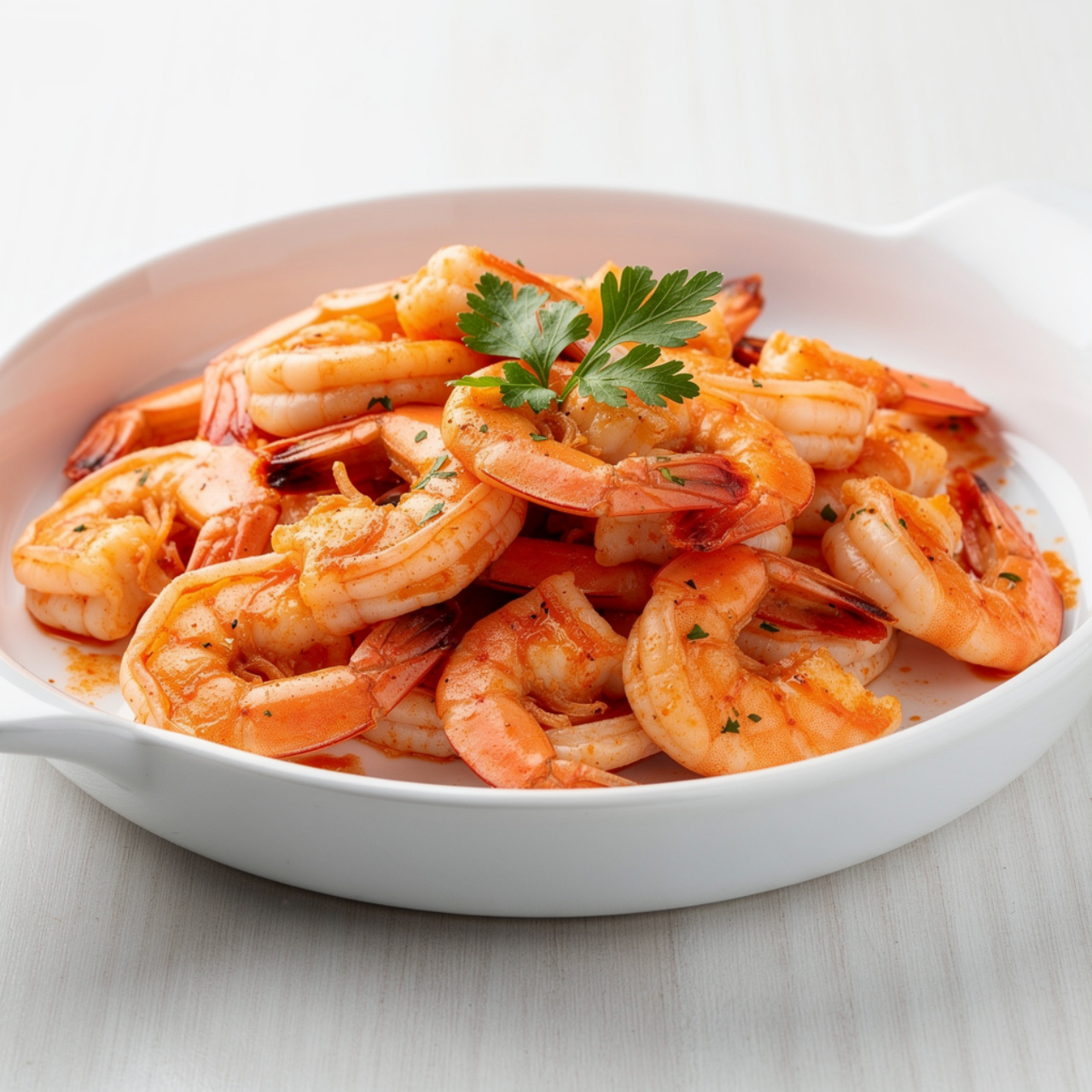
Classic Shrimp Scampi Without Lime (Simple Stovetop Recipe)
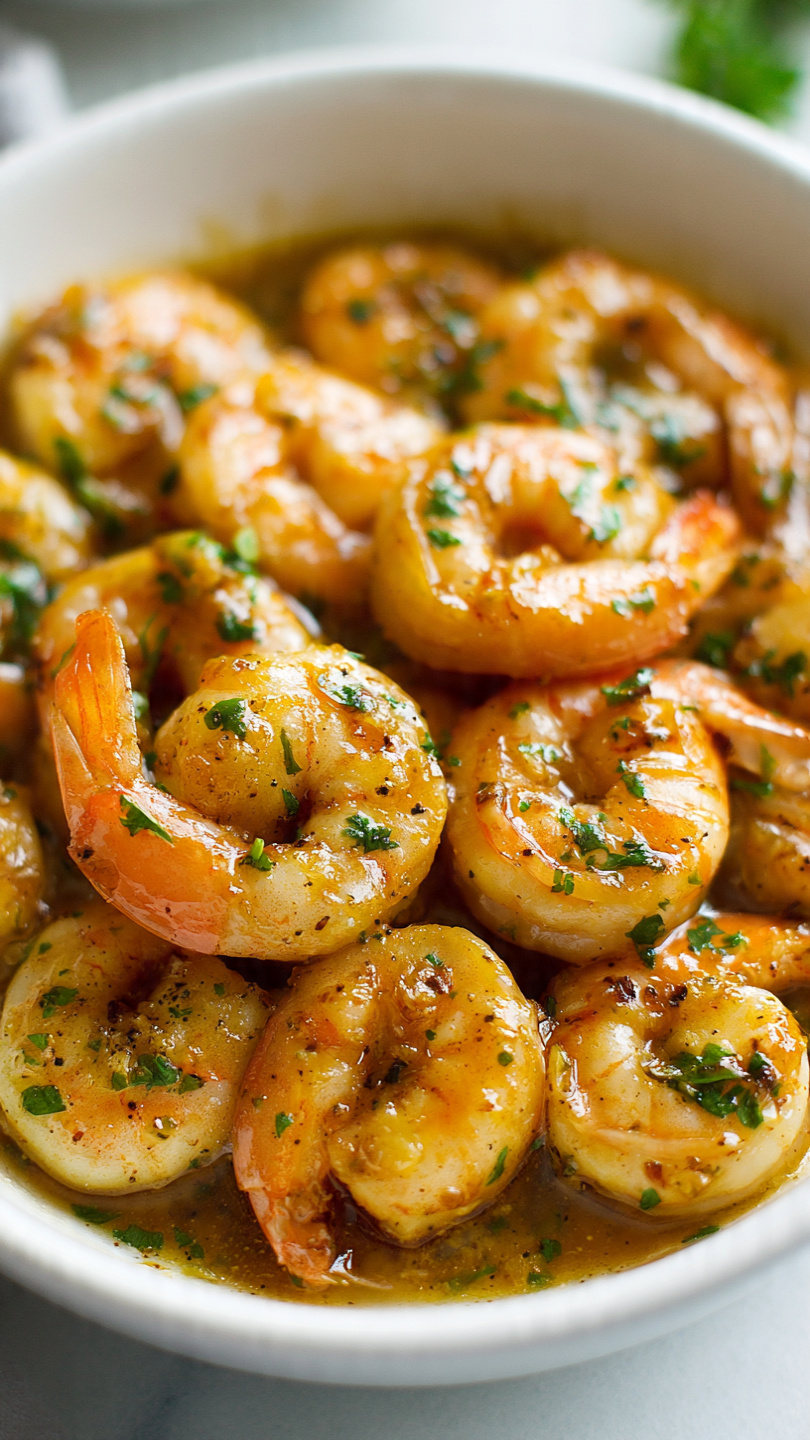
This classic shrimp scampi without lime delivers buttery, garlicky perfection in under 30 minutes using simple pantry staples. Serve it over pasta or enjoy it on its own for an easy weeknight dinner that tastes like a restaurant dish.

The Best Shrimp Scampi Without Lime (Pure Butter and Garlic Perfection)
There is something almost magical about a great shrimp scampi. In under 30 minutes, a handful of simple ingredients transforms into a dish that looks and tastes like something you would order at a coastal Italian-American restaurant. Silky, golden garlic butter sauce. Tender, perfectly cooked shrimp. A generous glug of white wine and a bright hit of lemon. It is easy, it is fast, and it is the kind of meal people ask for again and again.
This version keeps things clean and classic. No lime. Some recipes drift into citrus confusion by adding lime to shrimp scampi, but the dish has always been about lemon, garlic, butter, and white wine. Those four elements are the soul of a proper scampi, and this recipe honors that fully.
Whether you call it skillet shrimp scampi, stovetop shrimp scampi, or simply the best shrimp scampi recipe pasta night has ever seen, this one delivers every single time.
Why This Simple Shrimp Scampi Works So Well
The secret to a great shrimp scampi is not complicated technique. It comes down to a few key principles:
- Dry your shrimp before cooking. Moisture is the enemy of a good sear. Pat them firmly with paper towels and your shrimp will get that gorgeous golden crust instead of steaming in the pan.
- Do not overcook the shrimp. This is the most common mistake. Shrimp cook in 2 to 3 minutes total. When they curl into a loose C-shape and turn opaque, they are done. An O-shape means they are overcooked and rubbery.
- Build the sauce in the same pan. All those browned bits left behind after searing the shrimp are pure flavor. The wine and broth deglaze them right off the bottom of the skillet.
- Finish with cold butter. Swirling cold butter into the finished sauce creates that glossy, restaurant-quality emulsion that clings beautifully to every shrimp and strand of pasta.
Chef's Tip: Use shrimp that are labeled 16/20 or 21/25 count per pound. That size is large enough to stay juicy and tender without overcooking before the outside gets properly seared.
Raw Shrimp vs. Pre Cooked Shrimp: Which Should You Use?
For the absolute best result, start with raw shrimp. Raw shrimp scampi develops real flavor during that quick sear in the hot pan, and the texture stays firm and satisfying.
That said, pre cooked shrimp scampi is a totally valid weeknight shortcut. If you are using pre cooked shrimp, skip the initial sear entirely. Build the sauce first, then add the shrimp at the very end and warm them for no more than 60 seconds. They are already cooked, so you are just heating them through.
Fresh or frozen both work well here. If using frozen, thaw the shrimp overnight in the refrigerator or under cold running water for about 10 minutes before cooking.
The Right Tools Make a Real Difference Here
For stovetop shrimp scampi, a wide, heavy skillet is genuinely important. A 12-inch stainless steel or cast iron pan gives you enough surface area to sear the shrimp in a single layer without crowding, and it holds heat evenly so your garlic butter sauce reduces properly. A good citrus juicer also makes a noticeable difference since fresh lemon juice is far brighter and more vibrant than bottled.
How to Make Shrimp Scampi on the Stove
This entire dish comes together in one skillet in about 25 minutes. Here is what the process looks like at a glance:
- Season and sear the shrimp in olive oil until just pink, then set aside.
- Build the sauce by sauteing garlic in butter and olive oil, then deglazing with white wine and chicken broth.
- Add lemon juice and zest, then swirl in cold butter for a glossy finish.
- Return the shrimp to the pan and toss to coat.
- Toss with pasta or serve straight from the skillet with crusty bread.
The whole thing is genuinely that straightforward. This is one of those raw shrimp recipes easy enough for a Tuesday night but impressive enough to serve to guests on the weekend.
Chef's Tip: Reserve a cup of pasta cooking water before you drain it. The starchy water is the best tool for adjusting the consistency of your sauce at the end. A splash or two can transform a sauce that is too thick or too lean into something perfectly silky.
Shrimp Scampi No Pasta? Yes, Absolutely.
Not everyone wants pasta every time, and shrimp scampi is flexible enough to accommodate. Here are a few great ways to serve it:
- With crusty sourdough or ciabatta for soaking up every drop of that garlic butter sauce
- Over creamy white polenta for something a little more comforting
- Spooned over steamed jasmine rice for a simple, satisfying bowl
- On top of zucchini noodles if you are keeping things lighter
- On its own as an elegant appetizer before a bigger meal
No matter how you serve it, the flavor is the star.
Ready to make the best simple shrimp scampi of your life? Here is the full recipe:
Classic Shrimp Scampi Without Lime (Simple Stovetop Recipe)
This classic shrimp scampi without lime delivers buttery, garlicky perfection in under 30 minutes using simple pantry staples. Serve it over pasta or enjoy it on its own for an easy weeknight dinner that tastes like a restaurant dish.
Ingredients
- 1 1/2 lb large shrimp, peeled and deveined, fresh or thawed from frozen
- 4 tbsp unsalted butter, divided
- 3 tbsp olive oil, extra virgin
- 6 garlic cloves, minced
- 1/2 cup dry white wine, such as Pinot Grigio or Sauvignon Blanc
- 1/4 cup chicken broth, low sodium
- 3 tbsp lemon juice, freshly squeezed, about 1 large lemon
- 1 tsp lemon zest, from the same lemon
- 1/2 tsp red pepper flakes, adjust to taste
- 1 tsp kosher salt, plus more to taste
- 1/2 tsp black pepper, freshly ground
- 1/4 cup fresh parsley, roughly chopped, for garnish
- 12 oz linguine or spaghetti, cooked al dente, optional for serving
- 1/4 cup Parmesan cheese, freshly grated, optional for serving
Instruction
If serving over pasta, bring a large pot of salted water to a boil and cook linguine or spaghetti according to package directions until al dente. Reserve 0.5 cup of pasta water before draining, then set pasta aside.
Pat the shrimp completely dry with paper towels and season both sides with salt, black pepper, and a pinch of red pepper flakes.
Heat 2 tablespoons of olive oil in a large skillet over medium-high heat until shimmering. Add the shrimp in a single layer and sear for 1 to 2 minutes per side until just pink and barely opaque. Do not overcook. Remove shrimp to a plate and set aside.
Reduce heat to medium. Add the remaining 1 tablespoon of olive oil and 2 tablespoons of butter to the same skillet. Once the butter melts, add the minced garlic and red pepper flakes. Saute for 60 to 90 seconds, stirring constantly, until fragrant but not browned.
Pour in the white wine and chicken broth. Increase heat to medium-high and let the liquid simmer for 3 to 4 minutes, scraping up any browned bits from the bottom of the pan, until reduced by about half.
Stir in the lemon juice and lemon zest. Taste the sauce and adjust salt and pepper as needed.
Add the remaining 2 tablespoons of cold butter and swirl the pan or stir continuously until it melts into the sauce, creating a glossy, emulsified finish.
Return the shrimp to the skillet and toss to coat. Cook for 1 additional minute just to warm through.
If serving with pasta, add the drained pasta directly to the skillet and toss everything together. Add a splash of reserved pasta water if the sauce needs loosening.
Plate immediately, garnish generously with fresh parsley and Parmesan if desired, and serve with crusty bread for dipping.
Equipment
- Large skillet or saute pan (12-inch recommended)
- Large pot (for pasta)
- Tongs or wooden spoon
- Colander
- Citrus juicer or reamer
- Microplane or zester
- Paper towels
Notes
Serving, Storing, and Making It Your Own
Serving: Shrimp scampi is best eaten immediately right out of the skillet while the sauce is glossy and the shrimp are at their peak. Finish with a generous handful of fresh parsley, a shower of Parmesan, and a wedge of lemon on the side for anyone who wants extra brightness.
Storing: Leftovers keep well in the refrigerator for up to 2 days in an airtight container. Reheat gently in a skillet over low heat with a splash of chicken broth. The sauce will come back together beautifully with a little patience.
Variations to Try:
- Add a handful of cherry tomatoes to the sauce for a sweet, jammy element
- Stir in baby spinach at the end for color and nutrition
- Use shallots alongside the garlic for a slightly sweeter, more complex base
- Add a splash of heavy cream to the finished sauce if you want something richer and more indulgent
This is the kind of recipe you will come back to over and over. Once you have made it a few times, you will find yourself doing it from memory on a weeknight without even thinking about it.