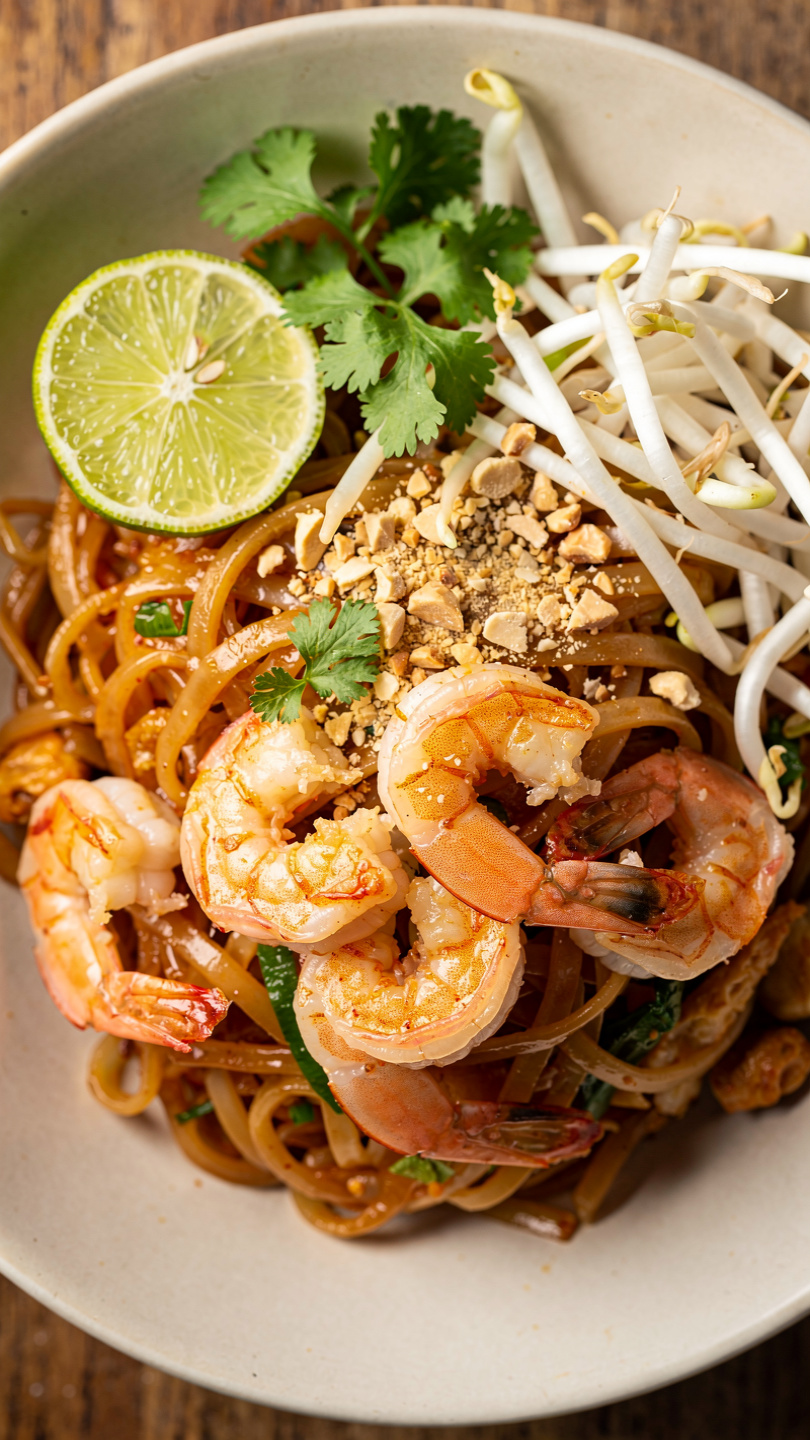
Shrimp Pad Thai (Better Than Takeout!)
This Shrimp Pad Thai comes together in under 30 minutes with a bold, tangy-sweet sauce, bouncy rice noodles, and juicy shrimp — a healthy dinner recipe that blows takeout out of the water.

The Shrimp Pad Thai That Will Make You Delete Your Takeout App
If you have ever watched one of those food videos cooking channels where a chef tosses glossy noodles in a screaming-hot wok and thought I could never make that at home, this recipe is here to prove you wrong. This Shrimp Pad Thai is one of those healthy dinner recipes that genuinely delivers restaurant-level flavor without requiring a culinary degree, a commercial kitchen, or a 45-minute delivery window.
The secret is all in the sauce. A proper Pad Thai sauce is a carefully balanced blend of tamarind, fish sauce, and just enough brown sugar to round out the edges. It is funky, tangy, a little sweet, and completely addictive. Once you have made it yourself, you will understand why this dish has become one of the most beloved Asian cooking staples on the planet.
Why This Recipe Actually Works
A lot of homemade Pad Thai recipes fall flat because they skip one of two things: high enough heat or the right sauce balance. This version fixes both.
Using a wok or large cast iron skillet over the highest flame your stove can produce gives the noodles that faint smokiness that Thai chefs call wok hei, or the breath of the wok. It is subtle, but it is the difference between noodles that taste homemade and noodles that taste like they came from a great restaurant.
The ingredient list might look longer than your typical noodle recipes easy weeknight meals, but most of it is pantry staples once you have stocked up once. Tamarind paste, fish sauce, and oyster sauce are the three heroes of this dish and they are widely available in any Asian grocery store or online.
Before we get cooking, the right tools and ingredients make a real difference here. A good wok, quality tamarind paste, and a reliable fish sauce are worth the small investment for results this good.
Building the Perfect Pad Thai Sauce
The sauce is the soul of this recipe and it takes about two minutes to make. Combine tamarind paste, fish sauce, brown sugar, oyster sauce, and a touch of sriracha in a small bowl and whisk until smooth. That is it.
Chef's Tip: Always taste your sauce before it hits the wok. Every brand of tamarind and fish sauce varies in intensity. If it tastes too salty, add a squeeze of lime. Too sour, nudge up the sugar. You are the boss here.
The ratio of salty to sour to sweet is very personal in Thai cooking. Some people love a more tamarind-forward sauce. Others prefer it sweeter. This recipe gives you a well-balanced starting point that you can adjust completely to your taste. This is the kind of flexibility that separates great Chinese cooking recipes and Asian cooking broadly from rigid, outcome-fixed formulas.
Tips for Cooking Shrimp Perfectly Every Time
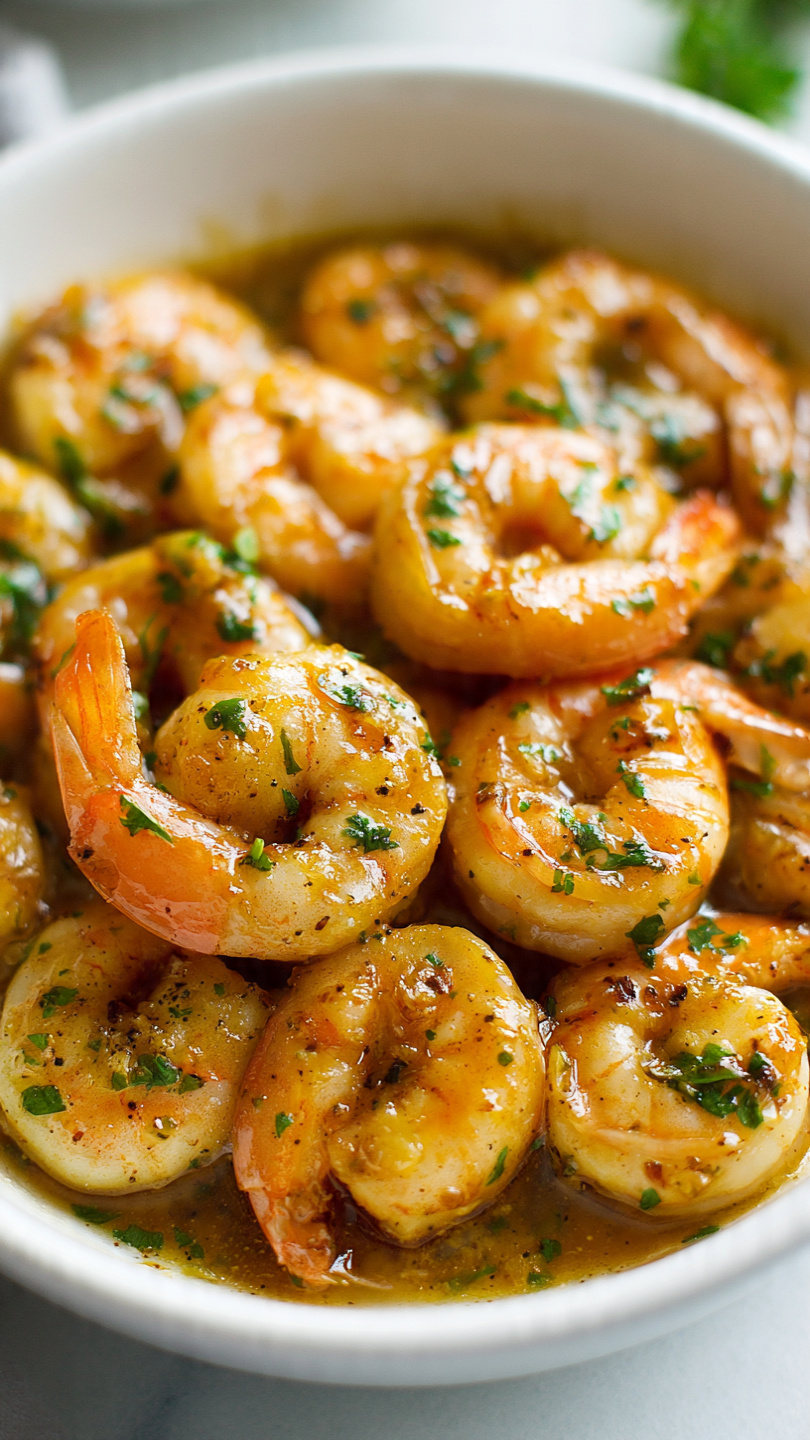
Shrimp are your best friend in this recipe because they cook in under 3 minutes. That speed is a gift, but it also means they can go from perfect to rubbery in about 60 seconds if you are not paying attention.
Here is what works:
- Use large shrimp, ideally 21 to 25 count per pound. They have more texture and presence in the dish.
- Pat them completely dry before they hit the pan. Moisture is the enemy of a good sear.
- Cook them separately first, remove them from the wok, and add them back at the very end. This keeps them juicy while everything else gets its time over the heat.
- Do not crowd the pan. Cook in batches if needed. Crowding steams the shrimp instead of searing them and you will lose that golden edge.
This approach produces shrimp that are pink, slightly caramelized, and snappy every single time. They make this one of the most satisfying healthy food dishes you can put together on a weeknight.
The Toppings Are Not Optional
In Thai cooking, the garnishes are part of the recipe, not afterthoughts. A bowl of Shrimp Pad Thai served without its toppings is like watching food videos cooking content on mute. Technically there, but missing the point.
Always finish with:
- Chopped roasted peanuts for crunch and richness
- Fresh lime wedges for brightness, squeezed generously right before eating
- Bean sprouts tossed in at the last second so they stay crisp
- Fresh cilantro for that herbal lift
- Dried chili flakes for anyone who wants heat
These toppings transform a great noodle dish into something that genuinely competes with the best receitas vegetarianas and meat-based dishes alike on the dinner table.
Ready to bring it all together? Here is the full step-by-step recipe:
Shrimp Pad Thai (Better Than Takeout!)
This Shrimp Pad Thai comes together in under 30 minutes with a bold, tangy-sweet sauce, bouncy rice noodles, and juicy shrimp — a healthy dinner recipe that blows takeout out of the water.
Ingredients
- 8 oz flat rice noodles, medium width, soaked in warm water for 20 minutes and drained
- 1 lb large shrimp, peeled and deveined, tails on or off
- 3 tbsp tamarind paste, or tamarind concentrate
- 3 tbsp fish sauce
- 2 tbsp brown sugar, packed
- 1 tbsp oyster sauce
- 1 tsp sriracha, adjust to taste
- 3 tbsp vegetable oil, divided
- 3 large eggs, lightly beaten
- 4 garlic cloves, minced
- 2 shallots, thinly sliced
- 4 oz firm tofu, pressed and cut into small cubes, optional but traditional
- 1 1/2 cups bean sprouts, fresh
- 4 green onions, sliced, white and green parts separated
- 1/2 cup unsalted roasted peanuts, roughly chopped, for garnish
- 2 fresh lime, cut into wedges, for serving
- 1/4 cup fresh cilantro, loosely packed, for garnish
- 1/2 tsp dried chili flakes, for serving, optional
Instruction
Soak the rice noodles in warm (not boiling) water for 20 minutes until pliable but still firm. Drain and set aside.
In a small bowl, whisk together the tamarind paste, fish sauce, brown sugar, oyster sauce, and sriracha until the sugar dissolves. Taste and adjust the balance of sweet, salty, and tangy to your liking. Set the sauce aside.
Heat a large wok or 12-inch skillet over high heat until smoking. Add 1 tablespoon of oil, then add the shrimp in a single layer. Sear for 1 to 2 minutes per side until just pink and slightly charred at the edges. Remove to a plate and set aside.
Add another tablespoon of oil to the wok. Add the tofu cubes and cook, pressing them gently, for 2 to 3 minutes until golden on most sides. Remove and set aside with the shrimp.
Add the remaining tablespoon of oil to the wok. Add the shallots and the white parts of the green onions. Stir-fry for 1 minute until softened and fragrant. Add the garlic and cook for 30 seconds more.
Add the drained noodles and pour the sauce over everything. Using tongs, toss the noodles constantly for 1 to 2 minutes until they absorb the sauce and start to caramelize slightly at the edges.
Push the noodles to one side of the wok. Pour the beaten eggs into the empty space and scramble them gently for about 45 seconds until just set but still slightly wet. Fold the eggs into the noodles.
Return the cooked shrimp and tofu to the wok. Add the bean sprouts and the green parts of the green onions. Toss everything together for another 30 to 60 seconds until heated through. The sprouts should still have a slight crunch.
Transfer to serving plates immediately. Top generously with chopped peanuts, fresh cilantro, and dried chili flakes. Serve with lime wedges on the side for squeezing over.
Equipment
- Large wok or 12-inch cast iron skillet
- Tongs
- Small mixing bowl
- Whisk
- Cutting board and sharp knife
- Colander or fine mesh strainer
Notes
Serving, Storing, and Making It Your Own
This dish is best eaten immediately straight from the wok while the noodles are still glossy and the bean sprouts have their crunch. If you are serving a crowd, prep all your components in advance and cook in two quick batches rather than trying to make a giant single portion.
For meal prep and leftovers, store in a sealed container for up to 3 days. Reheat in a hot skillet with a splash of water rather than the microwave.
Want to make it your own? Try these easy variations:
- Swap shrimp for chicken breast or thinly sliced beef for a heartier version
- Go fully plant-based with extra firm tofu and vegan fish sauce for a great spin on receitas vegetarianas
- Add a handful of thinly sliced red bell pepper with the shallots for extra color and sweetness
- Finish with a drizzle of sesame oil just before serving for a deeper, nuttier aroma
However you make it, this Shrimp Pad Thai is the kind of recipe that earns a permanent spot in your weeknight rotation. Once you have nailed the sauce and the wok technique, you will find yourself reaching for it whenever you want something fast, deeply flavorful, and genuinely nourishing.