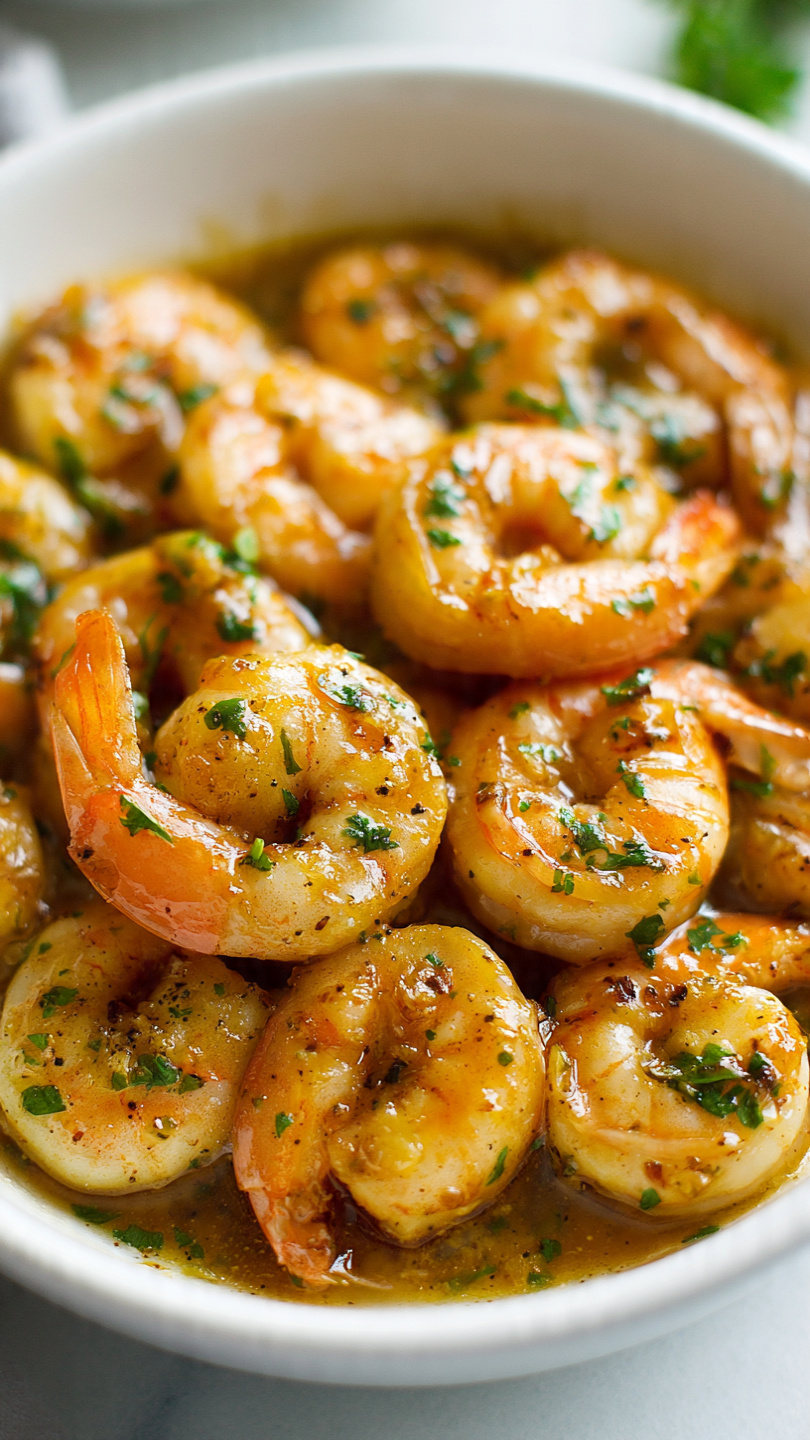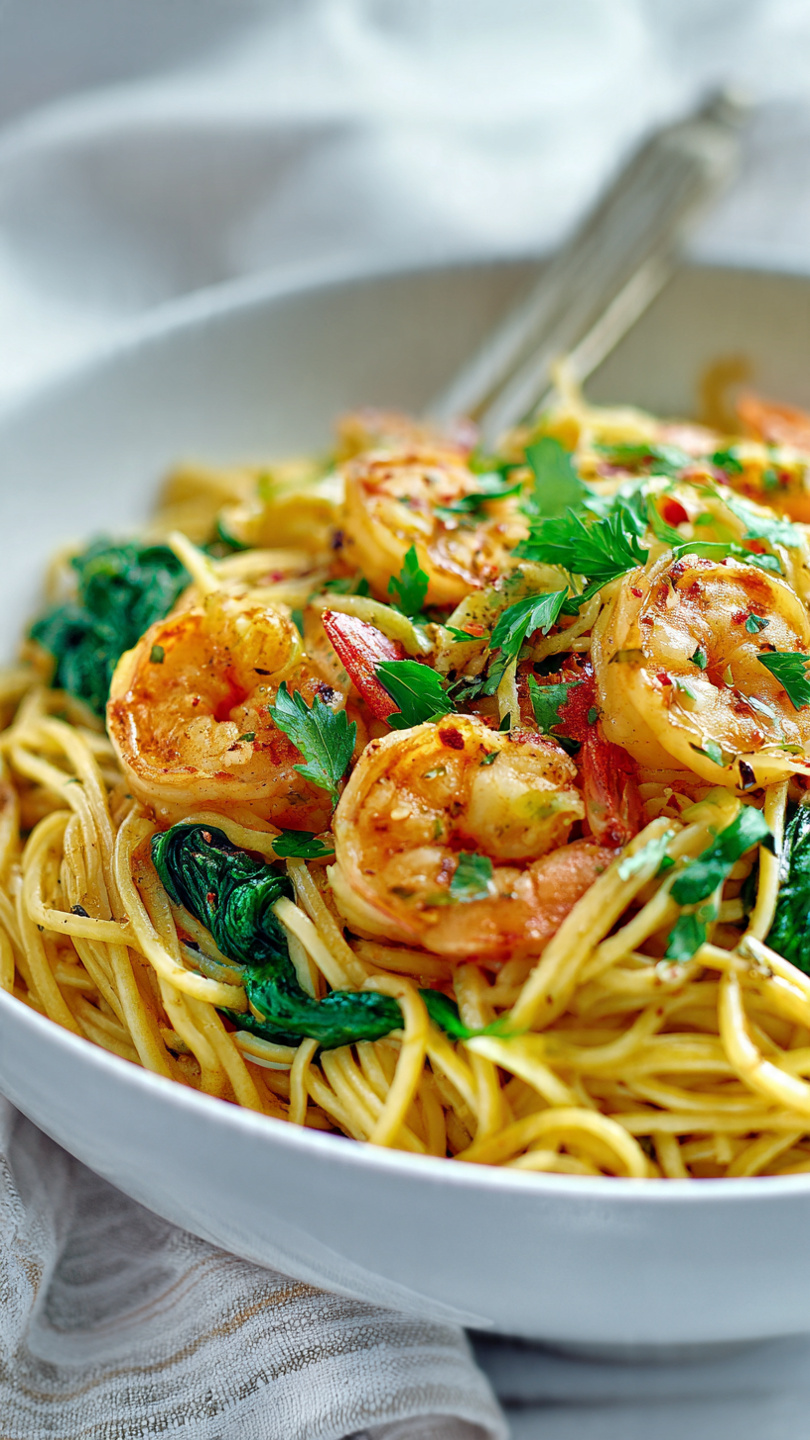
Lemon Garlic Shrimp Pasta with Spinach
This Lemon Garlic Shrimp Pasta with Spinach is a bright, restaurant-worthy dinner ready in under 30 minutes, packed with juicy shrimp, wilted spinach, and a silky lemon butter sauce.

The Weeknight Pasta Dinner You Will Make on Repeat
If you have been searching for a healthy dinner recipe that feels special enough for company but fast enough for a Tuesday night, this Lemon Garlic Shrimp Pasta with Spinach is your answer. It comes together in under 30 minutes, uses one pan for the sauce, and delivers bold, restaurant-worthy flavor in every single bite.
The combination of bright lemon, deeply savory garlic, plump shrimp, and silky wilted spinach tossed through al dente pasta is one of those magical pairings that just works. It is clean, satisfying, and genuinely beautiful on the plate. This is healthy clean eating that does not taste like it is trying to be.
Why This Garlic Shrimp Pasta Actually Delivers
A lot of shrimp pasta recipes promise big flavor and deliver something flat and greasy. The difference here comes down to a few key techniques.
First, the shrimp get a proper sear. Patting them dry before they hit the pan means you get golden edges instead of steamed rubber. Second, the sauce is built right in the pan after the shrimp come out, picking up every bit of flavor left behind. And third, a splash of starchy pasta water brings the whole dish together into a glossy, clinging sauce rather than a soupy puddle at the bottom of the bowl.
This is the kind of garlic shrimp pasta that makes people ask for the recipe.
Chef's Tip: The single biggest mistake people make with shrimp is overcooking them. Pull them off the heat the moment they turn pink and opaque. They will continue cooking slightly once they go back into the warm sauce, and that residual heat is all they need.
The Ingredients That Make It Shine
This recipe is intentionally simple, which means the quality of your ingredients matters more than usual. Fresh shrimp, real Parmesan (not the stuff from the green canister), and a lemon you zest yourself will make a noticeable difference in the final dish.
Having a large, wide skillet is also genuinely important here. A 12-inch pan gives the shrimp enough room to sear properly without crowding, and gives you space to toss the pasta without making a mess.
These are the tools and pantry staples that consistently make pasta dinner recipes like this one come out right:
Key Ingredients at a Glance
- Shrimp: Large or jumbo work best. Frozen shrimp, fully thawed and dried, are totally fine and often fresher than what sits on ice at the fish counter.
- Linguine or spaghetti: Either works. Linguine has a little more surface area to catch the sauce.
- Baby spinach: It wilts down fast and adds color, nutrition, and a mild earthiness that balances the lemon beautifully.
- Dry white wine: Pinot Grigio or Sauvignon Blanc are ideal. The wine deglazes the pan and adds depth to the sauce.
- Lemon: Both the juice and the zest. The zest added at the end is what gives the dish that pop of bright, fresh citrus flavor.
How to Build the Sauce
The sauce is the heart of this dish, and it comes together faster than you might expect. Once the garlic becomes fragrant, about 60 seconds over medium heat, you deglaze the pan with white wine and lemon juice. As the liquid reduces, it concentrates all that savory, garlicky flavor.
Then comes the butter. Adding cold butter to a warm, acidic liquid creates an emulsion, a velvety, glossy sauce that coats every strand of pasta rather than sliding off it. This is a classic French technique, and it is what separates a truly great pasta sauce from an average one.
The spinach goes in right after, wilting almost immediately in the residual heat. Then the pasta follows, along with a splash of that reserved pasta water. The starch in the pasta water is the secret weapon that pulls the whole sauce together.
Chef's Tip: Always reserve pasta water before you drain. It is easy to forget in the rush of cooking, and there is no substitute for it once the water is gone.
A Healthy Dinner That Feels Indulgent
At around 520 calories per serving with 34 grams of protein, this is a legitimately balanced plate. Shrimp are one of the leanest proteins available, and spinach layers in vitamins, iron, and fiber without adding any heaviness. If you are looking for healthy dinner recipes or shrimp recipes for dinner that do not feel like deprivation, this is squarely in that category.
For an even lighter version, you can reduce the butter to 1 tablespoon and swap in a whole grain or chickpea pasta for extra fiber and protein.
Ready to bring it all together? Here is the full recipe:
Lemon Garlic Shrimp Pasta with Spinach
This Lemon Garlic Shrimp Pasta with Spinach is a bright, restaurant-worthy dinner ready in under 30 minutes, packed with juicy shrimp, wilted spinach, and a silky lemon butter sauce.
Ingredients
- 12 oz linguine or spaghetti, dry
- 1 1/4 lb large shrimp, peeled and deveined, tails on or off
- 4 cups fresh baby spinach, loosely packed
- 3 tbsp unsalted butter, divided
- 2 tbsp olive oil, extra virgin
- 6 garlic cloves, minced
- 1 lemon, zested and juiced
- 1/2 cup dry white wine, such as Pinot Grigio; sub chicken broth if preferred
- 1/2 tsp crushed red pepper flakes, adjust to taste
- 1 tsp kosher salt, plus more for pasta water
- 1/2 tsp black pepper, freshly ground
- 1/2 cup grated Parmesan cheese, plus more for serving
- 1/4 cup fresh parsley, roughly chopped, for garnish
- 1/2 cup reserved pasta water, set aside before draining
Instruction
Bring a large pot of heavily salted water to a boil. Cook the linguine according to package directions until al dente. Before draining, reserve 1/2 cup of pasta water, then drain and set aside.
While the pasta cooks, pat the shrimp completely dry with paper towels. Season generously with salt, black pepper, and half of the red pepper flakes.
Heat 1 tablespoon of butter and 1 tablespoon of olive oil in a large skillet over medium-high heat until shimmering. Add the shrimp in a single layer and cook for 1 to 2 minutes per side until pink and just opaque. Do not overcook. Transfer shrimp to a plate and set aside.
Reduce heat to medium. Add the remaining 1 tablespoon of olive oil to the same skillet. Add the minced garlic and remaining red pepper flakes. Sauté for about 60 seconds until fragrant, stirring constantly so the garlic does not burn.
Pour in the white wine and lemon juice. Scrape up any browned bits from the bottom of the pan. Let the liquid reduce by half, about 2 to 3 minutes.
Add the remaining 2 tablespoons of butter and stir until melted and emulsified into the sauce.
Add the fresh spinach to the skillet and toss gently. Cook for 1 to 2 minutes until just wilted.
Add the drained pasta to the skillet along with a splash of reserved pasta water. Toss everything together over medium heat until the sauce clings to the pasta. Add more pasta water a little at a time if needed to loosen the sauce.
Return the cooked shrimp to the pan. Add the lemon zest and Parmesan cheese. Toss again until everything is evenly combined and heated through.
Taste and adjust seasoning with salt and pepper. Serve immediately topped with fresh parsley and extra Parmesan.
Equipment
- Large pot for pasta
- Large skillet or sauté pan (12-inch recommended)
- Colander
- Microplane or fine grater (for zesting)
- Tongs
- Measuring cups and spoons
Notes
Serving, Storing, and Variations
To serve: Pile the pasta into wide, shallow bowls. Finish with a generous handful of fresh parsley, extra Parmesan, a crack of black pepper, and a thin slice of lemon on the rim if you are feeling fancy. A simple arugula salad and crusty bread on the side make this a full meal worth lingering over.
To store: Leftovers keep in an airtight container in the refrigerator for up to 2 days. Reheat gently in a skillet with a small splash of water or broth over low heat.
Easy Variations Worth Trying
- Add cherry tomatoes: Toss in a handful with the garlic and let them blister slightly before adding the wine. They add sweetness and color.
- Make it creamy: Stir in 2 tablespoons of heavy cream along with the butter for a richer, more indulgent sauce.
- Swap the protein: Scallops, chicken strips, or even canned white beans make excellent substitutes if shrimp are not available.
- Go gluten-free: Use your favorite gluten-free pasta. The sauce and cooking method stay exactly the same.
This Lemon Garlic Shrimp Pasta with Spinach has earned a permanent spot in my weeknight rotation, and I have a feeling it will do the same for you.