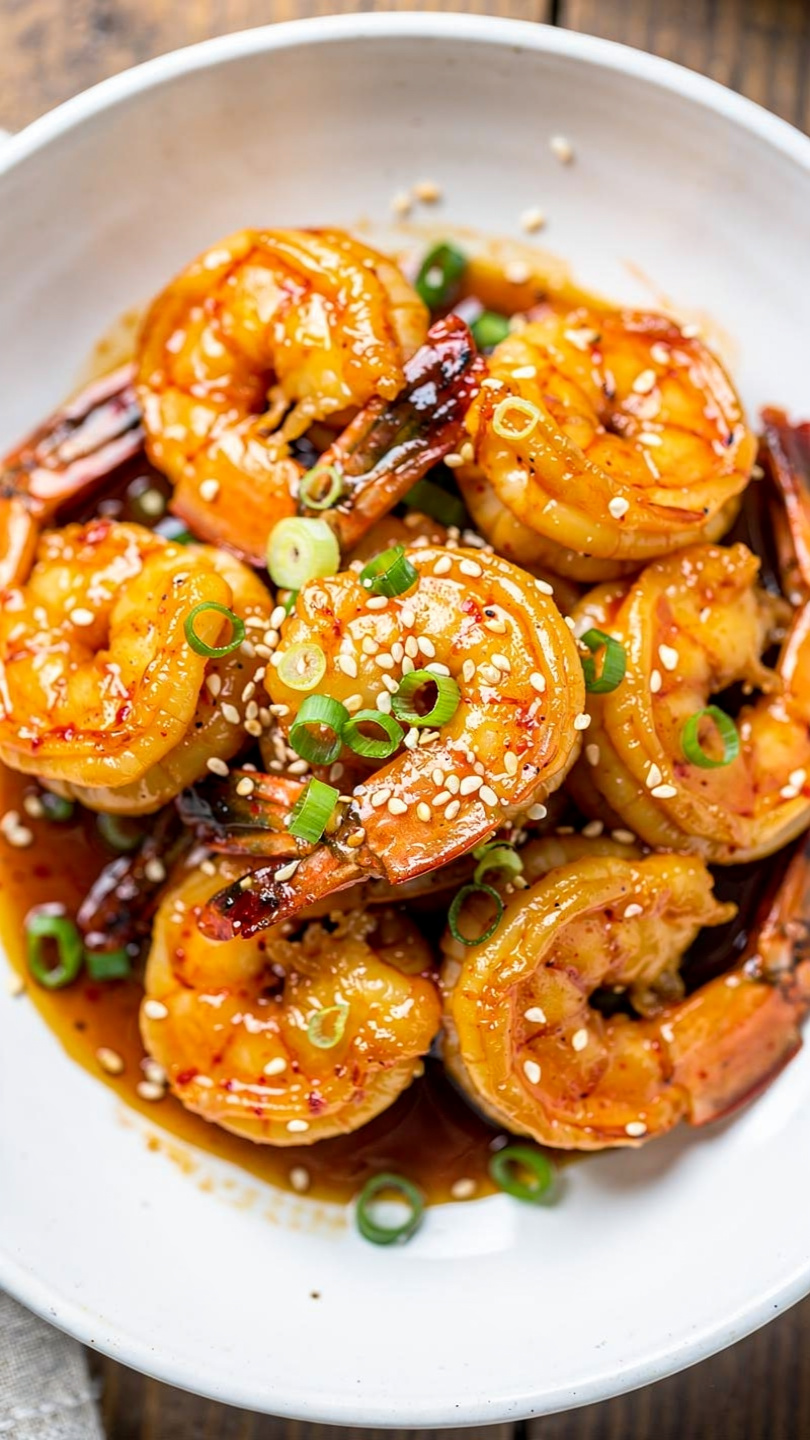
Gochujang Honey Shrimp
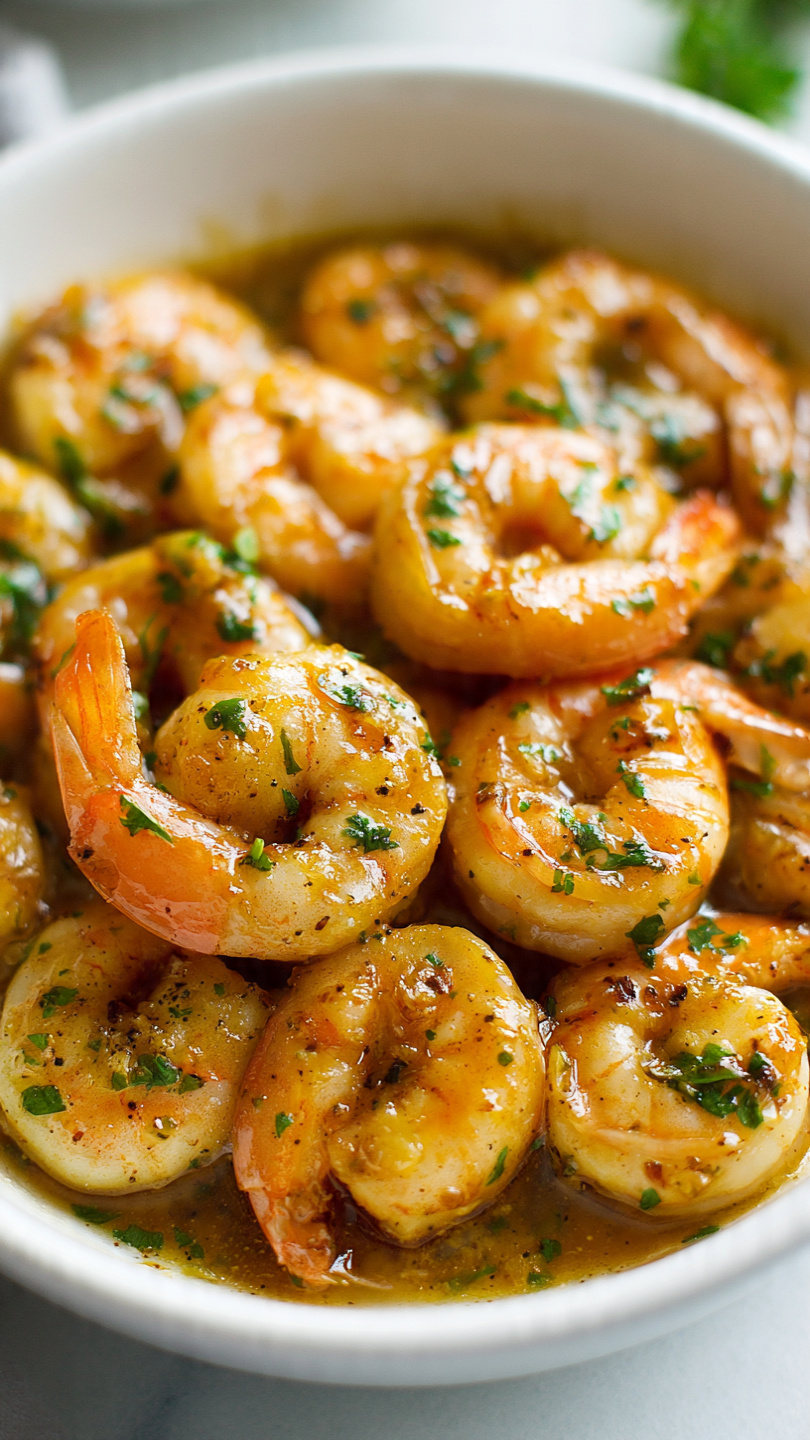
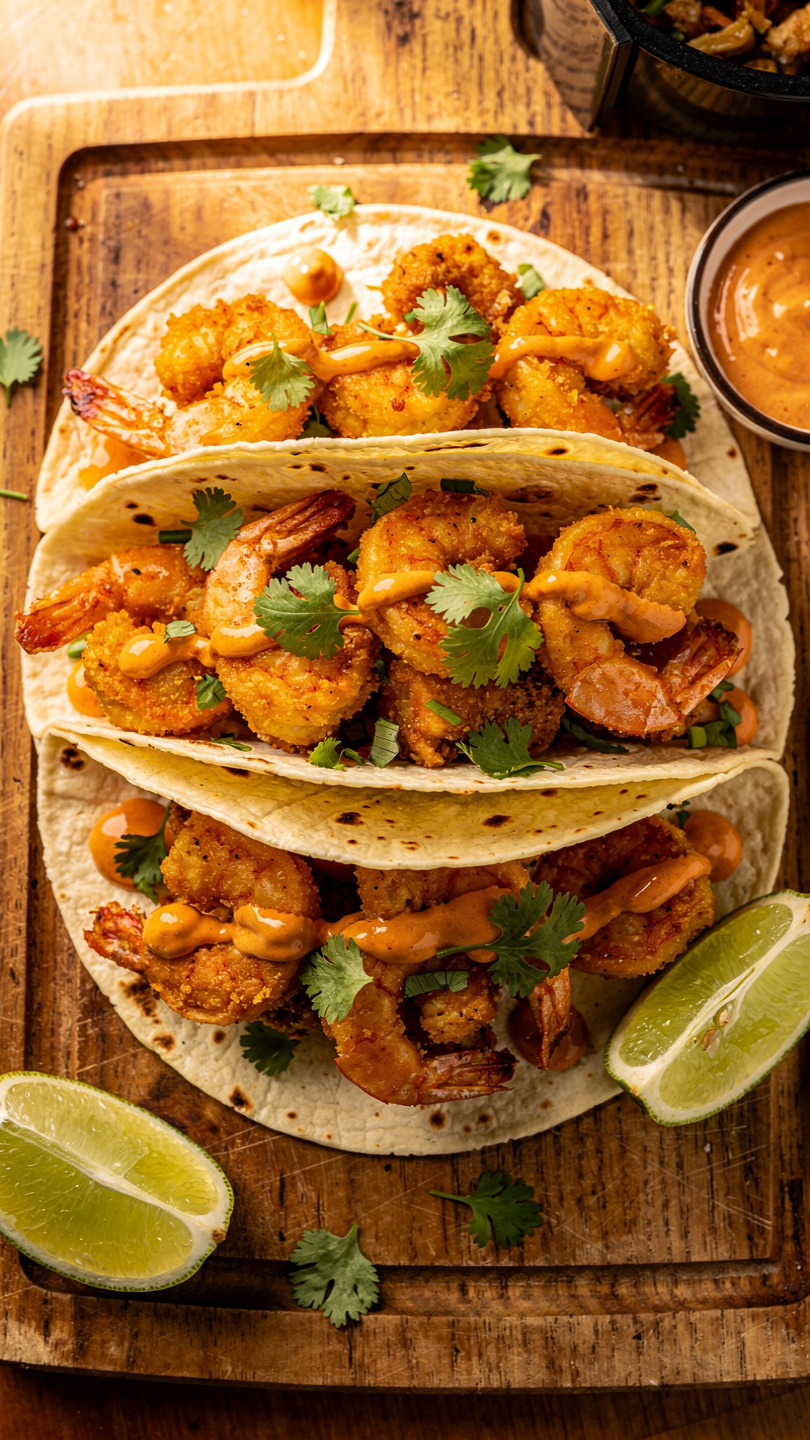
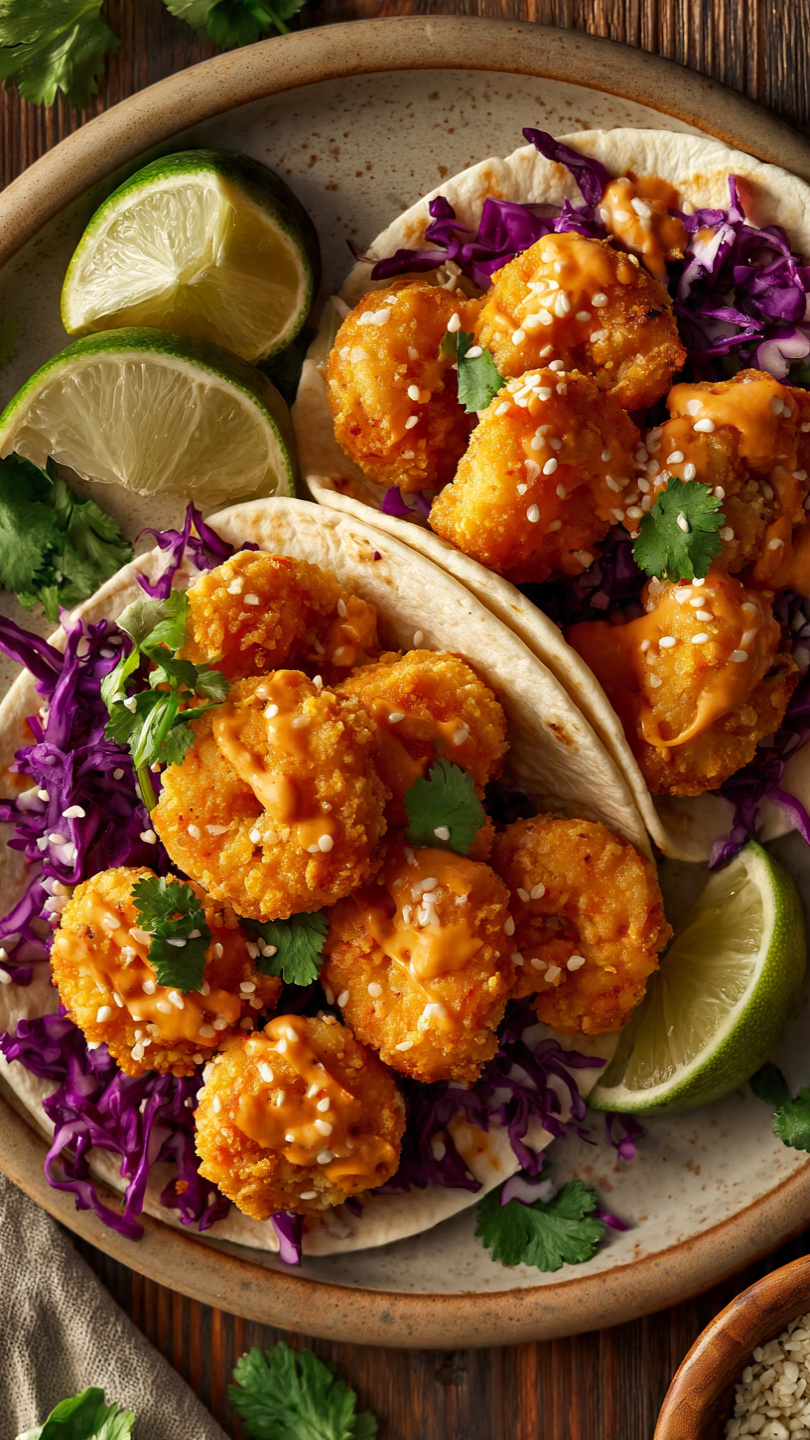
This Gochujang Honey Shrimp is sticky, spicy, and deeply satisfying, tossing crispy pan-fried shrimp in a bold Korean-inspired glaze that comes together in under 30 minutes.

The Sticky, Spicy Shrimp Dinner You Will Make on Repeat
If you have been looking for a shrimp dinner that genuinely stops the table, this is it. Gochujang Honey Shrimp brings together the bold, fermented heat of Korean gochujang paste with the caramelized sweetness of honey, all wrapped around perfectly seared shrimp in a glaze so good you will want to lick the pan. It is one of those unique shrimp recipes that feels like a restaurant dish but comes together in under 30 minutes on a weeknight.
Think of this as the Korean-American cousin of the beloved Asian fried shrimp recipes you find at your favorite takeout spot, except brighter, bolder, and made entirely in your own kitchen.
Why Gochujang Is the Secret Weapon
If you have been exploring things to make with gochujang, let this be your gateway recipe. Gochujang is a fermented Korean red pepper paste with layers of flavor that go far beyond simple spice. It has a slightly smoky, deeply savory, almost chocolatey undertone that pairs extraordinarily well with the floral sweetness of honey and the brightness of rice vinegar.
This combination is what separates gochujang dishes from your average chili sauce recipes. The fermentation in the paste gives the glaze a complexity that builds with every bite, which is something plain sriracha or chili garlic sauce simply cannot replicate.
Chef's Tip: Not all gochujang is the same. Brands vary widely in heat level and sweetness. Taste your sauce before adding it to the pan and adjust accordingly. If your gochujang feels very spicy, bump up the honey by half a tablespoon.
How This Compares to Chinese Shrimp Dishes
Fans of Hunan shrimp or other Chinese shrimp dinner classics will feel right at home here. Like Hunan-style cooking, this recipe leans into bold aromatics like garlic and ginger, a glossy sauce with real heat, and quick high-heat cooking that keeps the shrimp tender rather than rubbery. The difference is that gochujang brings a fermented depth that sets these Asian shrimp dishes in their own category entirely.
The cornstarch coating is a technique borrowed from Chinese-American cooking and it is the key to getting that gorgeous golden crust on the shrimp before the sauce goes in.
Tools and Ingredients That Make a Real Difference
For a recipe this simple, quality ingredients and the right equipment carry the dish. A heavy skillet or well-seasoned wok makes all the difference when it comes to getting enough heat to sear the shrimp properly without steaming them. Toasted sesame oil added at the end of the sauce elevates the whole dish with a nutty finish that you cannot replicate with regular vegetable oil.
Tips for Perfect Gochujang Honey Shrimp Every Time
This is not a complicated recipe, but a few small details separate good from unforgettable.
- Dry your shrimp thoroughly. Moisture is the enemy of a good sear. Pat every shrimp down with paper towels before the cornstarch goes on.
- Do not overcrowd the pan. Cook in batches if needed. Crowded shrimp steam instead of sear, and you lose that golden exterior.
- Have your sauce ready before the shrimp hit the pan. This dish moves fast. Once the shrimp are in the skillet, you want everything else within arm's reach.
- Pull the pan off the heat as soon as the sauce clings. Shrimp keep cooking even off the burner, and overcooked shrimp go rubbery fast.
Chef's Tip: A squeeze of fresh lime over the finished dish right before serving brightens every flavor in the glaze and cuts through the richness of the honey. Do not skip it.
What to Serve With It
Steamed jasmine rice is the classic pairing and for good reason. It soaks up the extra glaze beautifully. For a lower-carb option, cauliflower rice or a simple cucumber salad work wonderfully alongside these Asian shrimp dishes. Lightly steamed bok choy or snap peas add crunch and balance to the heat of the sauce.
This also works beautifully as a starter. Serve the shrimp skewered with toothpicks alongside a cold beer and you have an appetizer that disappears in minutes.
Ready to bring this to your table? Here is the full recipe:
Gochujang Honey Shrimp
This Gochujang Honey Shrimp is sticky, spicy, and deeply satisfying, tossing crispy pan-fried shrimp in a bold Korean-inspired glaze that comes together in under 30 minutes.
Ingredients
- 1 1/2 lb large shrimp, peeled and deveined, tails on or off
- 3 tbsp gochujang, Korean red pepper paste
- 3 tbsp honey, raw or clover honey preferred
- 2 tbsp soy sauce, low-sodium recommended
- 1 tbsp rice vinegar
- 1 tbsp sesame oil, toasted
- 4 garlic, cloves, minced
- 1 tsp fresh ginger, grated
- 2 tbsp cornstarch, for coating the shrimp
- 2 tbsp neutral oil, avocado or vegetable oil
- 3 green onions, thinly sliced, for garnish
- 1 tsp sesame seeds, toasted, for garnish
- 1 lime, cut into wedges for serving
Instruction
Pat the shrimp completely dry with paper towels and toss them in the cornstarch until each piece is lightly coated. Set aside on a plate.
In a small bowl, whisk together the gochujang, honey, soy sauce, rice vinegar, sesame oil, minced garlic, and grated ginger until smooth. Taste and adjust the honey or gochujang to your preference.
Heat the neutral oil in a large skillet or wok over medium-high heat until shimmering.
Add the shrimp in a single layer and cook undisturbed for 1 to 2 minutes until the undersides are pink and lightly golden. Flip and cook for another 1 minute.
Pour the gochujang honey sauce over the shrimp and toss to coat. Cook for 1 to 2 more minutes, stirring frequently, until the sauce thickens and clings to each shrimp.
Remove from heat immediately. Garnish with sliced green onions and sesame seeds. Serve hot with steamed rice and lime wedges on the side.
Equipment
- Large skillet or wok
- Small mixing bowl
- Whisk
- Paper towels
- Tongs or spatula
- Microplane or fine grater
Notes
Storing, Reheating, and Making It Your Own
Leftovers keep in an airtight container in the fridge for up to 2 days. Reheat gently in a skillet over low heat with a tiny splash of water to bring the glaze back to life. Avoid the microwave if you can since shrimp reheat better on the stovetop.
Want to make it ahead? Mix the gochujang honey sauce up to 3 days in advance and store it covered in the refrigerator. When dinnertime comes, just coat and cook the shrimp fresh and the rest takes minutes.
For variations, this sauce works beautifully with chicken thighs, crispy tofu, or even roasted cauliflower if you want to stretch the recipe across the week. Once you fall in love with the glaze, you will find yourself putting it on everything.