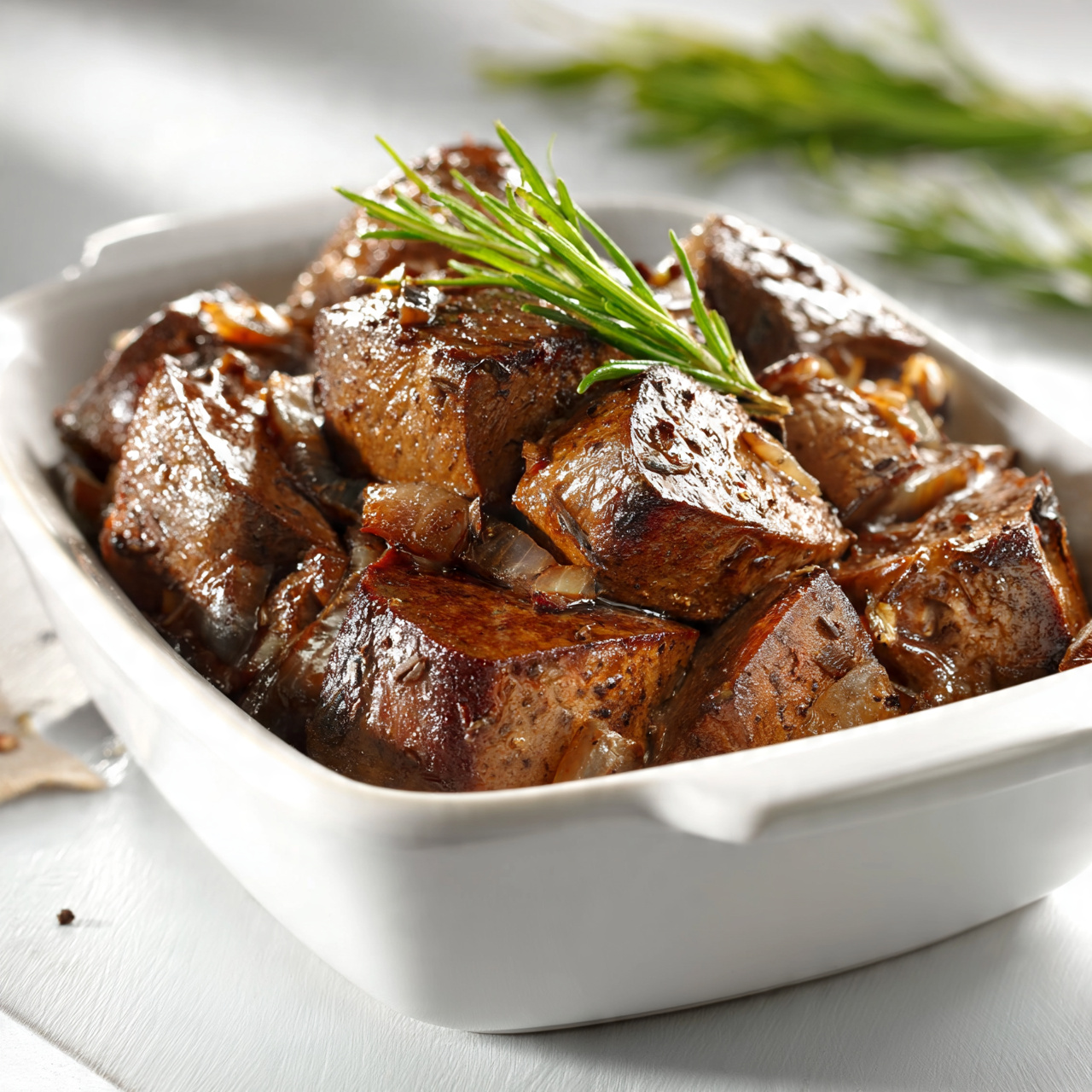
Beef Liver and Onions: The Absolute Best Way to Cook It
Learn how to cook beef liver and onions the right way with this foolproof recipe that transforms organ meat into a tender, deeply savory dinner your whole family will actually love.

The Recipe That Changes Every Liver Skeptic's Mind
Bringing up liver and onions at the dinner table used to guarantee a chorus of groans. But here is the truth that experienced home cooks and devoted fans of organ meat recipes have always known: beef liver cooked correctly is one of the most satisfying, richly flavored meals you can put on the table. The problem was never the liver itself. It was the method.
Overcooked, unseasoned liver slapped into a pan without any preparation is genuinely unpleasant. But liver that has been properly soaked in milk, dried well, lightly dredged in seasoned flour, and seared fast in a hot buttery pan alongside deeply caramelized onions? That is a bowl of cooked liver that earns a standing ovation.
This recipe is built around one mission: making eating beef liver something you actually crave. And whether you are new to organ meat recipes or coming back to a childhood classic with fresh eyes, this is the method that delivers every single time.
Before you fire up the stove, it is worth using the right tools for this one. A cast-iron skillet is genuinely the best pan for getting that deep, beautiful sear on the liver without steaming it, and quality beef liver from a trusted butcher makes a real difference in flavor and texture.
What Makes This the Absolute Best Liver and Onions
There are a few non-negotiable techniques that separate a great plate of liver and onions from a forgettable one. Once you understand why each step matters, you will never skip them again.
The Milk Soak
This is the single most important step in learning how to prepare and cook beef liver. Soaking the slices in whole milk for at least 15 minutes, and ideally up to an hour, draws out bitterness and results in a noticeably cleaner, milder flavor. Do not skip this step, especially if you or someone at your table is on the fence about organ meats.
Low and Slow Onions
Caramelized onions are not just a garnish here. They are half the dish. Rush them and you get limp, pale onions. Give them a full 15 to 18 minutes over medium-low heat and they transform into something sweet, jammy, and deeply savory that completely complements the richness of the liver.
The Fast, Hot Sear
Cooking liver is more like cooking a good steak than braising a roast. You want a screaming hot pan, a short contact time, and a center that still carries a hint of pink. Overcooking is the number one reason people think they dislike beef liver. Two to three minutes per side is genuinely all it takes.
Chef's Tip: After soaking, pat every slice completely dry before dredging in flour. Moisture on the surface creates steam instead of a sear, and you lose that gorgeous caramelized crust that makes this dish so satisfying.
Choosing Your Liver: Beef, Calf's, or Elk
This recipe works beautifully with a few different types of organ meat, and each brings something slightly different to the plate.
- Beef liver is the most widely available and has the boldest, most mineral-rich flavor. It is the classic choice for cooking liver and onions.
- Calf's liver is more delicate and tender with a milder taste, making it an ideal entry point for anyone new to eating beef liver or organ meat in general.
- Elk liver leans earthier and slightly gamier with a beautiful leanness that appeals to hunters and fans of wild game. If you have access to it, it is absolutely worth trying in this preparation.
All three respond to the same technique: soak, dry, dredge, and sear fast.
Building the Pan Sauce
Once the liver is seared and the caramelized onions are back in the pan, a quick deglaze with beef broth and Worcestershire sauce creates a pan sauce that is incredibly simple but deeply savory. Those browned bits stuck to the bottom of the skillet are pure concentrated flavor. Scrape them up and let the sauce reduce for just a minute or two until it forms a glossy, rich glaze that clings to every slice.
This is what pulls the whole dish together into something that feels like real, satisfying comfort food rather than a health obligation.
Ready to try it yourself? Here is the complete step-by-step recipe:
Beef Liver and Onions: The Absolute Best Way to Cook It
Learn how to cook beef liver and onions the right way with this foolproof recipe that transforms organ meat into a tender, deeply savory dinner your whole family will actually love.
Ingredients
- 1 1/2 lb beef liver, sliced into 0.5-inch strips, membrane removed
- 1 cup whole milk, for soaking
- 2 large yellow onions, thinly sliced into half-moons
- 1/2 cup all-purpose flour, for dredging
- 3 tbsp unsalted butter, divided
- 2 tbsp olive oil, divided
- 3 garlic cloves, minced
- 1 tbsp Worcestershire sauce
- 1/2 cup low-sodium beef broth
- 1 tsp fresh thyme, leaves only, or 0.5 tsp dried
- 1 tsp salt, or to taste
- 1/2 tsp black pepper, freshly ground
- 2 tbsp fresh flat-leaf parsley, chopped, for garnish
Instruction
Place the sliced beef liver in a shallow bowl and cover with whole milk. Let it soak for at least 15 minutes, or up to 1 hour in the refrigerator. This step draws out bitterness and mellows the strong flavor significantly.
While the liver soaks, heat 1 tablespoon of butter and 1 tablespoon of olive oil in a large cast-iron or heavy skillet over medium-low heat. Add the sliced onions and a pinch of salt.
Cook the onions low and slow, stirring occasionally, for 15 to 18 minutes until they are deeply golden and caramelized. Add the minced garlic and thyme in the last 2 minutes. Transfer the onion mixture to a plate and set aside.
Remove the liver from the milk and pat each slice thoroughly dry with paper towels. Season generously with salt and black pepper on both sides.
Spread the flour on a plate. Dredge each liver slice lightly in flour, shaking off any excess. You want a thin, even coat.
Increase the heat to medium-high and add the remaining butter and olive oil to the same skillet. Once the butter is foaming and the pan is hot, add the liver slices in a single layer without crowding. Work in batches if needed.
Sear the liver for 2 to 3 minutes per side until a deep brown crust forms on the outside. The center should still have a hint of pink for the best texture. Do not overcook or the liver will become tough and grainy.
Return the caramelized onions to the pan. Pour in the beef broth and Worcestershire sauce, scraping up any browned bits from the bottom of the skillet.
Let everything simmer together for 1 to 2 minutes until the sauce reduces slightly and coats the liver and onions in a glossy, savory glaze.
Taste and adjust seasoning. Transfer to a serving platter, scatter fresh parsley over the top, and serve immediately.
Equipment
- Large cast-iron skillet or heavy-bottomed pan
- Shallow bowl for soaking
- Tongs
- Paper towels
- Sharp chef's knife
- Cutting board
- Plate for dredging
Notes
How to Serve Beef Liver and Onions
This is a hearty, deeply savory main course that pairs best with simple, starchy sides that can soak up that incredible pan sauce. Some of the best pairings include:
- Creamy mashed potatoes for a classic, comforting combination
- Buttered egg noodles for a slightly lighter option
- Crusty sourdough bread to mop up every last drop of sauce
- Steamed green beans or roasted broccoli to add brightness and balance
A simple green salad with a sharp vinaigrette is also a lovely contrast to the richness of the liver.
Storing and Reheating
Leftovers keep in an airtight container in the refrigerator for up to 3 days. Reheat gently in a covered skillet over low heat with a small splash of beef broth to bring back moisture and keep the liver from turning tough. The microwave tends to dry it out, so the stovetop is your best bet.
Once you have tried beef liver prepared this way, the kind you remember being forced to eat as a kid will feel like an entirely different dish. This is liver done right.